




Every winter, Long Islanders brace themselves for two things: colder weather and higher heating bills. And in the last few years, the second one has become especially painful. PSEG rates continue to climb, oil prices fluctuate, and many homeowners feel like their homes just can’t stay warm the way they used to. You turn up the thermostat, the heat kicks on, the house feels comfortable for a little while — and then within an hour or two, everything gets chilly again.
If this sounds familiar, you're not alone. Homes across Nassau and Suffolk, especially older capes, ranches, and hi-ranches, tend to lose heat much faster than newer construction. The good news is that there are very real, very fixable reasons behind it. And with the holidays approaching, now is the perfect time to figure out why rooms feel drafty, why certain spaces are colder than others, and why your heating system seems to struggle to keep up.
The Usual Suspect: Windows and Doors That Leak Warm Air
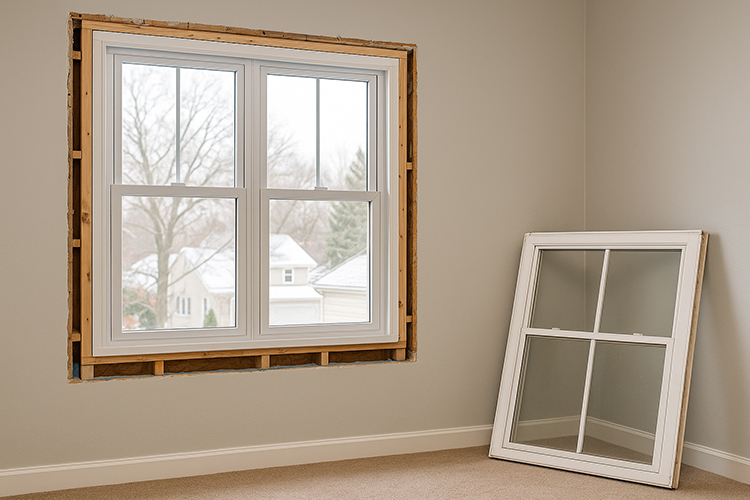
One of the most common reasons a home feels cold is surprisingly simple: warm air is escaping through aging windows and doors. Many Long Island houses still have their original wood-framed windows or old storm windows that weren’t engineered to hold in heat. Even small gaps around window frames can let in enough cold air to make an entire room uncomfortable.
Doors cause just as many problems. A front or back door with worn weatherstripping can let icy air spill across the floor, creating that unmistakable chill you feel near the entryway. Sliding glass doors, which are extremely common here, are another weak point. If your living room feels colder than the rest of the house, that large pane of glass may be the reason.
These aren’t just comfort issues — they directly contribute to higher heating costs, forcing your system to work harder to replace the warm air that keeps slipping away.
Insulation That Isn’t Doing Its Job Anymore
A lot of Long Island homes were built between the 1950s and the 1980s, and back then, insulation requirements were nothing like they are today. Attics may have just a thin layer of insulation that’s now compacted or deteriorated. Crawlspaces often have little to no insulation at all. And walls in older extensions or dormers may not be insulated properly, especially if they were built decades ago.
If you find that your house warms up quickly when the heat comes on but gets cold again almost immediately after it shuts off, the issue is often insulation. Heat naturally rises, so if the top of your home isn’t insulated well, you’re essentially letting warm air escape straight through the attic.
During the winter holidays, this becomes even more noticeable. You may find yourself cranking up the heat before guests arrive, only to have the room cool down again long before dessert.
Cold Rooms Over Garages and Older Additions
If you have a bedroom or office built over a garage, it’s probably the coldest room in your home — and it’s not your imagination. Garages are rarely insulated properly, which means cold air sits directly below those rooms and easily transfers upward through the floor. During freezing weather, these floors can feel like blocks of ice.
The same thing happens with older additions, such as rear family rooms or enclosed porches that were converted into year-round spaces. Many of these structures were built with thinner walls or outdated insulation. When the temperature drops, these rooms lose heat rapidly, no matter how high the thermostat is set.
These “problem rooms” are extremely common in Long Island neighborhoods, from Massapequa Park to Smithtown, and they’re often the first spaces homeowners try to fix when winter truly settles in.
Heating Systems That Struggle to Distribute Warm Air Evenly
Forced-air systems are popular across Long Island, but they can develop issues over time. Older ductwork may have leaks or poor insulation, allowing heated air to escape before it ever reaches the intended rooms. Others have airflow imbalances, where certain rooms receive too much heat and others don’t get enough.
If you notice that your furnace seems to run constantly yet some rooms still feel cold, the issue could be hidden inside the walls rather than with the furnace itself. Long Island homes with additions, multiple levels, or unusual layouts are especially prone to uneven heating.
Hydronic (baseboard) systems can have similar problems, particularly if there’s air trapped in the pipes or if the system wasn’t designed to support the square footage of the home after renovations.
Why Heating Costs Hit Long Island Harder
Heating a home on Long Island is expensive even when everything is functioning perfectly. But when heat is leaking out through old windows, poorly insulated walls, and drafty additions, your system has to run far more often — and the bills reflect it.
This winter is expected to be colder than last year, which means homes that already lose heat quickly will feel even more uncomfortable. The difference is often most noticeable in the early morning and late evening, when temperatures dip into the 20s and the house feels chilly even with the heat on.
The holidays only amplify these issues. More cooking, more showers, more guests coming and going — all of it puts additional strain on older heating systems. No one wants to host Christmas Eve or a Hanukkah gathering with relatives sitting around in sweaters and blankets.
The Most Effective Ways to Fix Heat Loss Before the Holidays
The encouraging news is that most heat-loss problems can be solved faster and more affordably than homeowners expect.
Upgrading old windows, installing modern insulated doors, adding fresh attic insulation, or sealing ductwork can dramatically improve how warm your home feels. In many cases, the fix is as simple as addressing one or two weak points rather than redoing the entire house.
If you have a cold family room over a garage, insulating the garage ceiling often transforms the room almost overnight. If your living room feels drafty, replacing a sliding door or adding insulation behind the walls can make a world of difference. And if you’re planning a renovation this winter — whether it’s a bathroom remodel, kitchen update, or finishing a basement — incorporating insulation improvements at the same time is one of the smartest long-term upgrades you can make.
A More Comfortable Home for the Holidays and Beyond
A warm, cozy home is one of the simple pleasures of the winter season. No one should have to constantly adjust the thermostat just to stay comfortable. By addressing heat-loss issues now, you not only make your home more inviting for the holidays — you also set yourself up for lower energy bills and better comfort all winter long.


