




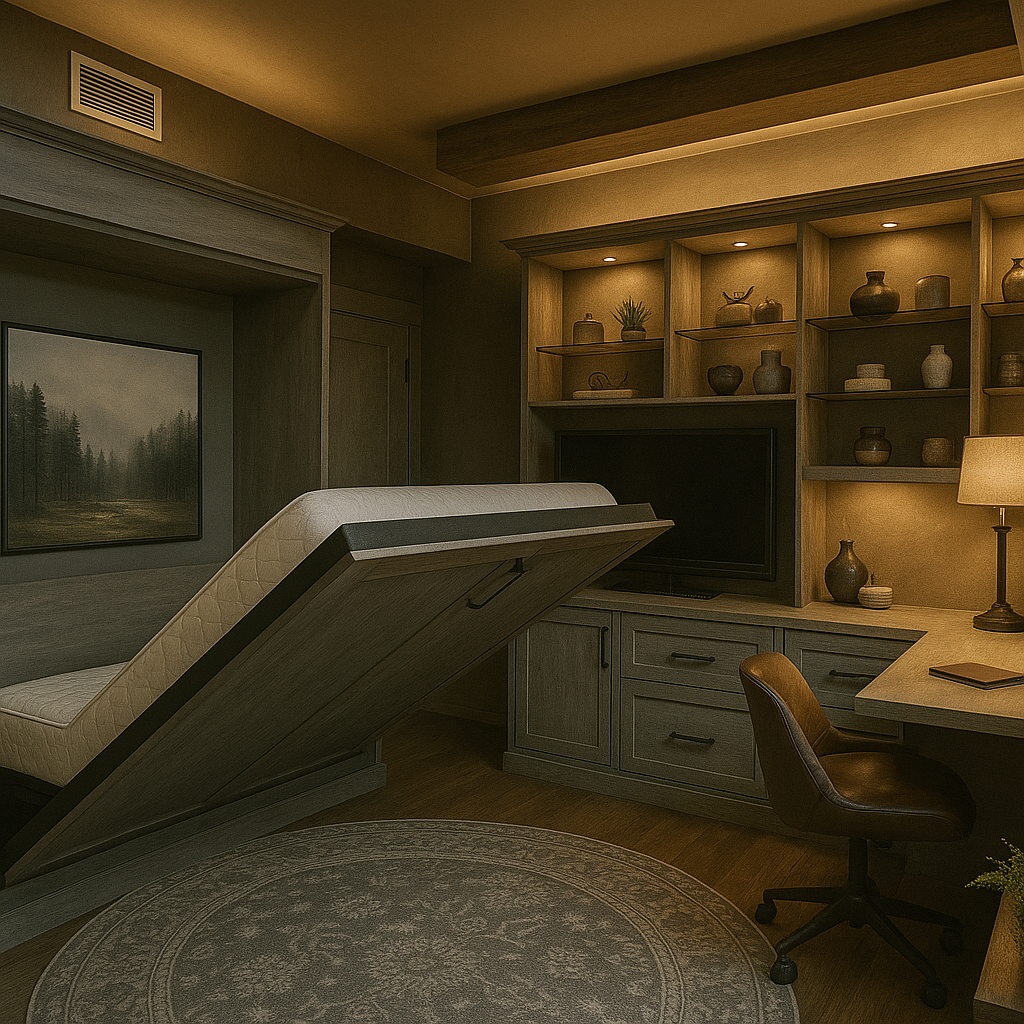
Every home has that one room. The “catch-all” that stores out-of-season clothes, leftover furniture, or the treadmill no one touches. It’s not exactly wasted space—but it’s definitely under-used. The good news? With some thoughtful planning, that forgotten room could become one of the most useful (and loved) parts of your home.
As more Long Island homeowners choose to remodel rather than move, the focus has shifted to making existing space work harder. That’s where the idea of a multi-purpose room comes in: one space that easily adapts to different parts of your life without major construction or sky-high costs.
Why Multi-Use Spaces Are Trending
Home layouts are changing because lifestyles are changing.
Work-from-home setups are here to stay, kids need flexible study areas, and guests visit more comfortably when a room can serve double duty. Instead of adding on or knocking down walls, homeowners are finding ways to transform under-utilized rooms into smart, versatile spaces that fit their routines.
On Long Island, where square footage comes at a premium, every foot counts. A small bedroom can be turned into a home office and guest suite. A formal dining room that’s rarely used can double as a craft space or family library. The possibilities are endless when you plan it right.
Step 1: Take an Honest Look at How You Use the Room
Start by clearing out the clutter and really seeing what you’re working with.
Ask yourself:
- How often do we actually use this room?
- What do we wish we had more space for?
- Could this room serve more than one purpose?
Maybe you only need the guest bedroom a few times a year. Or maybe that dining room only hosts one big holiday dinner. These are the perfect candidates for dual-use designs.
Step 2: Choose Two (and Only Two) Main Purposes
The most successful conversions don’t try to do everything at once. Pick two functions that complement each other. For example:
- Home office + guest bedroom – Use a Murphy bed or pull-out sofa.
- Playroom + study space – Add storage for toys that can be closed off during homework time.
- Workout room + media space – Mount a TV for workouts that doubles for movie nights.
- Craft studio + laundry area – Keep utility space neat with cabinets and task lighting.
The key is balance—each function should enhance, not compete with, the other.
Step 3: Rethink the Layout and Lighting
Lighting has a huge impact on how versatile a room feels. Task lighting for work, ambient lighting for relaxing, and natural light for daytime use all make the space more adaptable.
When planning your layout:
- Keep furniture lightweight or modular so it’s easy to rearrange.
- Use area rugs or shelving to define “zones” within the same room.
- Make use of vertical space—built-ins, floating shelves, or wall-mounted desks free up floor area.
Even subtle upgrades like new trim, fresh paint, or upgraded flooring can make the space feel like a completely different room.
Step 4: Invest in Smart Storage
Storage is the backbone of every successful multi-use design. Hidden cabinetry, under-sofa drawers, or built-in shelving can make transitions effortless. When everything has a place, you can switch from “office mode” to “guest mode” in minutes.
If your room doubles as a guest space, keep the design clean and clutter-free. Neutral tones, layered lighting, and soft textures create a cozy, welcoming feel without sacrificing functionality.
Step 5: Design for Real Life on Long Island
Homes across Nassau and Suffolk counties often share similar challenges: smaller footprints, older layouts, and sometimes awkward room shapes. Working with a local remodeler who understands those quirks can make a big difference.
For example:
- In older Cape-style homes, a dormer upgrade or clever built-in can turn an unused attic corner into a functional nook.
- Split-level homes can benefit from reconfiguring mid-level rooms into hybrid office-lounges.
- Basements with partial daylight are perfect for dual-use layouts that combine storage and recreation.
Every house is different, but the principle stays the same: reimagine what you already have before expanding outward.
Step 6: Keep the Budget Realistic
You don’t need a full renovation to create a space you’ll love.
Simple upgrades like new flooring, trim, or lighting can transform how a room feels. Save your bigger investment for built-ins, wall reconfiguration, or electrical work—projects where a professional touch makes a noticeable difference.
Working with an experienced remodeler also helps avoid the common pitfalls: overspending on furniture that doesn’t fit, poor lighting design, or neglecting ventilation and electrical needs.
Step 7: Common Mistakes to Avoid
Before you start, keep these in mind:
- Don’t overload the room with too many purposes—two is ideal.
- Avoid sacrificing comfort for looks; function should lead the design.
- Don’t ignore power, heating, or lighting requirements if you change how the space is used.
- Skip trendy themes that could date the space quickly—opt for timeless materials and colors.
The Bottom Line
You don’t always need a massive renovation to love your home again. Sometimes, all it takes is rethinking the space you already have. Whether it’s a spare room, a basement corner, or a formal dining room collecting dust, a few well-planned changes can turn it into something you’ll actually enjoy using every day.
Thinking About a Room Conversion?
If you’ve been eyeing a neglected room and wondering what’s possible, the team at LPS Direct can help you reimagine it. We specialize in smart, functional remodeling that fits the way Long Island families really live—without unnecessary demolition or expense.
Schedule a free consultation to explore your options and see how easy it can be to transform your unused space.
Still Have Questions About Multi-Use Room Remodeling?
If you’re thinking about transforming an under-used room but aren’t sure where to start, you’re not alone. Many Long Island homeowners have the same questions about cost, permits, and what’s possible within their existing layout. Below, we’ve answered a few of the most common questions about creating a multi-purpose space that truly fits your lifestyle.
Frequently Asked Questions About Multi-Purpose Room Conversions
What is a multi-purpose room?
A multi-purpose room is a space designed to serve more than one function — like a guest room that doubles as a home office, or a basement that’s part lounge and part gym. The goal is to make the most of your existing square footage without having to build an addition.
How can I make my spare room more useful?
Start by deciding what you actually need more space for — maybe it’s a quiet office, a workout area, or an extra place for guests. Then, plan your layout so the room comfortably supports two complementary uses. Good lighting, smart storage, and flexible furniture make a huge difference.
Does converting a room add value to my home?
Yes. Creating a functional, flexible space often increases your home’s resale appeal because buyers see more ways to use the space. Even if you’re not planning to sell, it adds everyday value by making your home fit your lifestyle better.
Do I need a permit to remodel a room in New York?
Not usually — cosmetic upgrades like new flooring, paint, and built-ins typically don’t require a permit. However, if your project involves electrical work, plumbing, or structural changes, it’s best to check with your local building department on Long Island to make sure you’re compliant.
How much does it cost to convert an unused room?
It depends on the scope. Minor updates like lighting, paint, and flooring might cost a few thousand dollars, while larger projects that involve custom carpentry or electrical work can cost more. The best way to get an accurate estimate is to schedule a consultation with a remodeling professional.


