




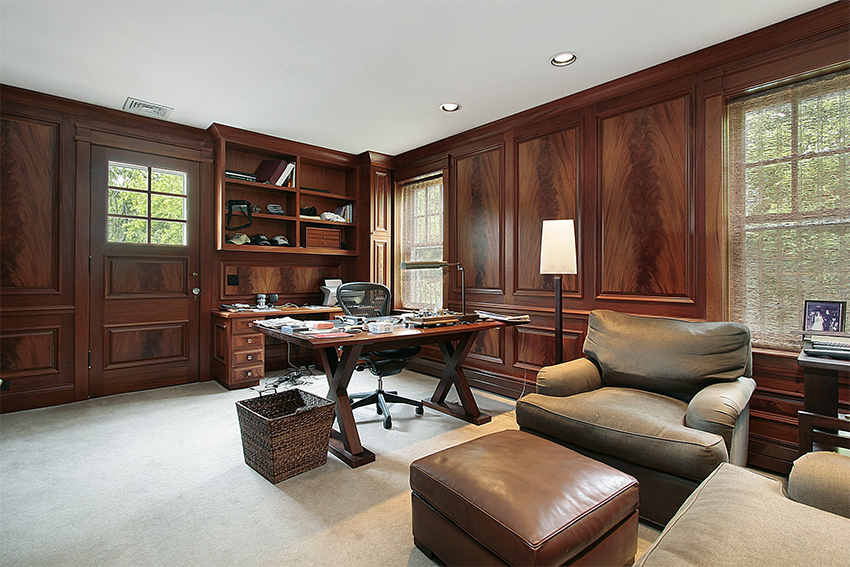
As remote work continues to redefine how and where we work, many Long Island homeowners are remodeling their spaces to include a dedicated home office. Beyond the boost in productivity and comfort, a remodeled home office could also offer valuable tax benefits—if you meet the right criteria.
Whether you're a full-time remote employee, a freelancer, or a small business owner, here’s what you need to know about home office tax deductions and how they could impact your remodel.
Who Qualifies for a Home Office Deduction?
The IRS allows self-employed individuals and small business owners to deduct certain expenses related to a home office. Unfortunately, W-2 employees working remotely for an employer typically do not qualify for this deduction—even if your employer doesn’t reimburse you for a home workspace.
To qualify:
- Your home office must be your principal place of business
- It must be used regularly and exclusively for work
- You must be self-employed, run a business, or work as an independent contractor
What Expenses Can You Deduct from a Remodel?
If you meet the criteria, some costs related to remodeling, maintaining, or improving your home office may be partially deductible. These include:
Deductible Expenses (in part or full):
- Construction of a new office space
- Electrical or HVAC upgrades specific to the office
- Built-in shelves, cabinetry, or desks
- Painting, flooring, or lighting for the office area
- Office-specific maintenance and repairs
If the expense benefits the entire home (e.g., a new roof), only a percentage related to the office’s square footage can be deducted.
How the Deduction Works: Simplified vs. Standard Method
There are two main methods to calculate your deduction:
1. Simplified Method
- $5 per square foot, up to 300 square feet (max $1,500 deduction)
- No receipts or specific expenses required
2. Actual Expense Method
- Deduct actual expenses based on the percentage of your home used for work
- Requires detailed documentation and calculations
A tax professional can help determine which method is most advantageous based on your remodel costs.
Will a Home Office Remodel Increase Your Home’s Value?
Yes! A well-designed, dedicated home office can:
- Make your home more attractive to future buyers
- Add functionality that’s in high demand
- Potentially increase your resale value, especially in Long Island’s competitive market
While you can't deduct value increases on your taxes, the upfront tax benefits + long-term property value make it a smart investment.
Local Tip: Working with Long Island Contractors
If you’re planning a home office remodel in Nassau or Suffolk County, consider hiring a contractor who understands:
- Local building codes and permit requirements
- Energy-efficient upgrades that may also offer state or federal tax incentives
- How to optimize your remodel for both function and resale value
LPS Direct offers personalized design and remodeling services tailored to Long Island professionals. We'll help you create a stylish, ergonomic, and tax-savvy space to support your remote work lifestyle.
Final Thoughts
A home office remodel isn’t just a lifestyle upgrade—it can be a strategic tax decision if you work for yourself. To make the most of potential deductions:
- Track your expenses
- Consult with a qualified tax advisor
- Work with an experienced local contractor
Ready to Remodel Your Home Office?
Let LPS Direct help you design a workspace that boosts productivity and offers financial advantages.
Call today to schedule a free consultation, or book online.
FAQs
1. Is it better to remodel a home office all at once or in stages for tax purposes? If you're planning to claim the home office deduction using the actual expense method, remodeling all at once can make tracking costs easier for that tax year. Staging may complicate expense allocation over multiple years.
2. Can I still get tax benefits if my home office is part of a larger room? Possibly. The IRS requires exclusive and regular use for business, so if you clearly section off a portion of a multipurpose room—like with partitions or built-in shelves—you may still qualify for partial deductions.
3. Are smart home upgrades like thermostats or lighting in a home office deductible? If the upgrades are installed specifically to improve the functionality or energy efficiency of your home office (and not the entire home), they may be partially deductible under the actual expense method.
4. Can I deduct furniture or decor if I remodel my home office? Yes, items like office chairs, desks, bookshelves, and even some décor used strictly for the office may be deductible as business expenses—but they’re often depreciated over time rather than fully written off in one year.
5. Does remodeling a home office affect my capital gains tax when I sell the house? It might. If you claim depreciation on the office space, the IRS may “recapture” that amount and tax it when you sell. It’s best to track these deductions and consult a tax pro before listing your home.
6. How do I prove to the IRS that my remodeled home office is exclusively used for work? Keep clear photos of the office, maintain records of remodel costs, and avoid using the space for personal activities. If audited, you'll need to demonstrate exclusive and regular business use.
7. What percentage of my home remodel can I write off for the home office? It depends on the square footage. If your home office is 10% of your home’s total livable space, then generally, 10% of qualifying shared expenses could be deducted.


