




From Dream to Reality: Making Your Basement a Legal Living Space
For many Long Island homeowners, the idea of a basement apartment is appealing. It could provide extra space for family, generate steady rental income, or even increase the resale value of your home. But before you bring in a contractor or start sketching out a floor plan, it’s important to understand what makes a basement apartment legal in Nassau and Suffolk Counties.
What Does “Legal” Really Mean?
A legal basement apartment is one that meets both New York State building codes and the specific ordinances of your town or village. That means it’s more than just finishing the space with new walls or flooring. Ceiling height, windows, ventilation, bathrooms, and even heating systems all come into play.
Most towns require that a basement ceiling be at least seven feet high. If your home has a lower ceiling, you may need to lower the floor or excavate to meet this standard. Adequate egress — meaning a safe way to get out in case of an emergency — is also essential. That could be a full-size door that leads outside or an egress window large enough for someone to exit through. And while natural light and fresh air from windows are preferred, towns may also accept mechanical ventilation systems if window options are limited.
Getting the Proper Permits
No basement conversion should begin without permits. The process usually starts with filing an application with your local building department. You’ll need to submit architectural drawings that outline your proposed layout, plumbing, and electrical work. Once the application is reviewed, you’ll receive approvals, but the process doesn’t stop there. Inspections are required at different stages of the project — from framing and plumbing to electrical and the final walkthrough.
Each town on Long Island has its own rules. For example, some municipalities allow accessory apartments but only if they’re used by family members, not rented out to the general public. Others may impose restrictions on size or require off-street parking. Checking with your specific town early in the process can save you a lot of headaches later.
Remodeling Work You Should Expect
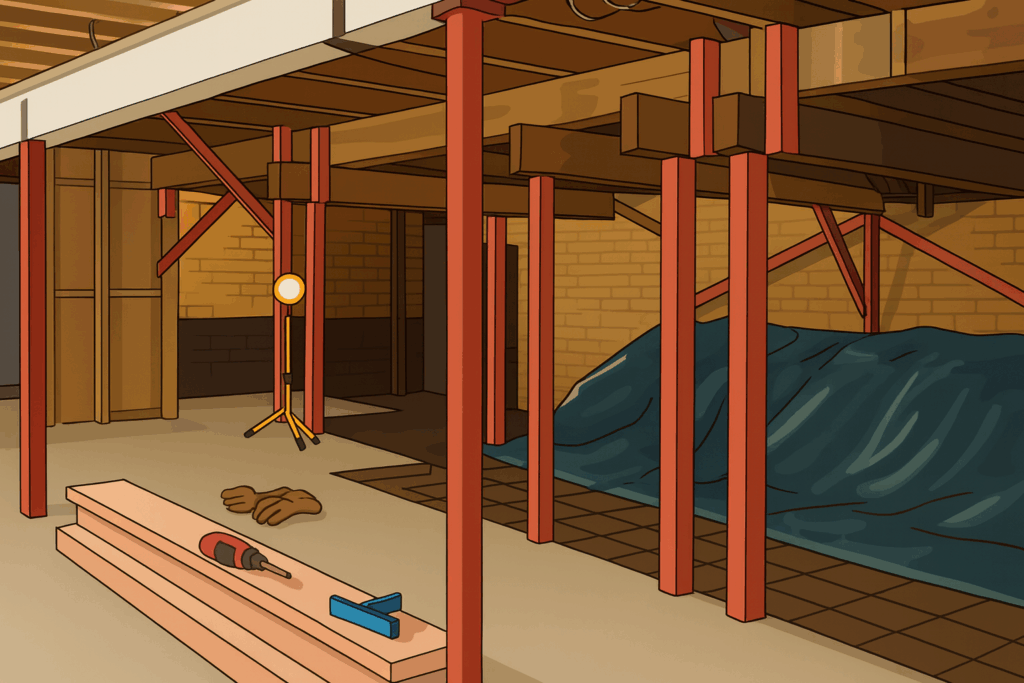
Turning a basement into a legal apartment is not a quick “weekend project.” It often requires substantial remodeling. For some homeowners, that may mean lowering floors to meet ceiling height requirements. For others, it could involve cutting into concrete walls to install larger windows or even adding an exterior door.
Plumbing is another big factor. A legal apartment needs a proper bathroom and often a kitchenette. That means tying into your home’s water and sewer lines — work that must be done to code. Electrical systems also usually need an upgrade, since most basements aren’t wired to handle the extra load of appliances, lighting, and heating systems.
Then there are the finishing touches that make the space safe and comfortable. Waterproofing is often necessary to keep the area dry year-round. Insulation helps regulate temperature. And fire-rated walls and ceilings are sometimes required to provide an added layer of safety between the basement and the main house.
Why Go Through the Trouble?
It may sound like a lot — and it is — but the benefits of a legal basement apartment are worth it. Many homeowners see the appeal of generating rental income, especially in high-demand areas of Long Island where housing is limited. For families, a basement conversion can provide a comfortable space for adult children, in-laws, or guests while still maintaining privacy. And when it comes time to sell your home, a legal basement conversion adds far more value than a finished basement that isn’t up to code.
What Happens if You Skip the Legal Steps?
Some homeowners are tempted to cut corners and create a basement apartment without permits. That decision can lead to serious consequences. Town inspectors have the authority to issue fines, sometimes in the thousands, and they can require you to remove unpermitted work entirely. More importantly, if an accident or fire were to occur, you could be held liable — not just financially, but legally. Even selling your home can become a challenge, since buyers and banks typically want assurance that all living spaces are legal and safe.
And even if you don’t get caught, selling your house can be a hassle when it comes time for the inspection. We’ve seen cases where customers had to pull up a floor to restore access to the basement in order to pass inspection.
Converting your basement into a legal apartment in Long Island isn’t something to take lightly. Between permits, inspections, and construction, the process can feel overwhelming. But with the right contractor by your side, it’s absolutely achievable. At LPS Direct, we’ve helped countless homeowners turn unused basement space into safe, functional, and fully legal apartments. From the first permit application to the final inspection, we manage every step of the process.
If you’re considering a basement conversion, reach out to us for a free consultation. We’ll walk you through your options, explain the rules in your town, and create a plan that brings your vision to life — legally and safely.
FAQs
Do I need a permit to finish my basement on Long Island?
Yes. Any renovation that involves plumbing, electrical work, or converting the space into a living area requires permits from your town. Even if you’re just finishing walls or floors, it’s best to check with your building department before starting.
What ceiling height is required for a legal basement apartment?
Most towns require at least seven feet of ceiling height. Some municipalities may allow slightly less in existing homes if other safety standards are met, but it’s always reviewed case by case.
Can I rent out my basement apartment legally?
That depends on your town’s ordinances. Some Long Island towns allow rental basement apartments if they pass inspection, while others restrict use to family members only. Always confirm the rules where you live.
How much does it cost to finish or convert a basement on Long Island?
Finishing a basement—adding framed walls, insulation, flooring, lighting, and a code-compliant layout (but no kitchen or full bath)—typically starts around $30,000 to $60,000. A full legal apartment conversion, which adds plumbing for a bathroom and kitchenette, code-compliant egress (window or door), electrical/HVAC upgrades, waterproofing/insulation, inspections, and final approvals, usually starts around $50,000 to $90,000, with complex projects exceeding $100,000.
What happens if I rent out an illegal basement apartment?
Renting out an unpermitted basement comes with serious risks. You could face thousands in fines, be required to remove all improvements, or even be held liable if there’s an accident. Legalizing the space protects you financially and ensures your tenants’ safety.


