




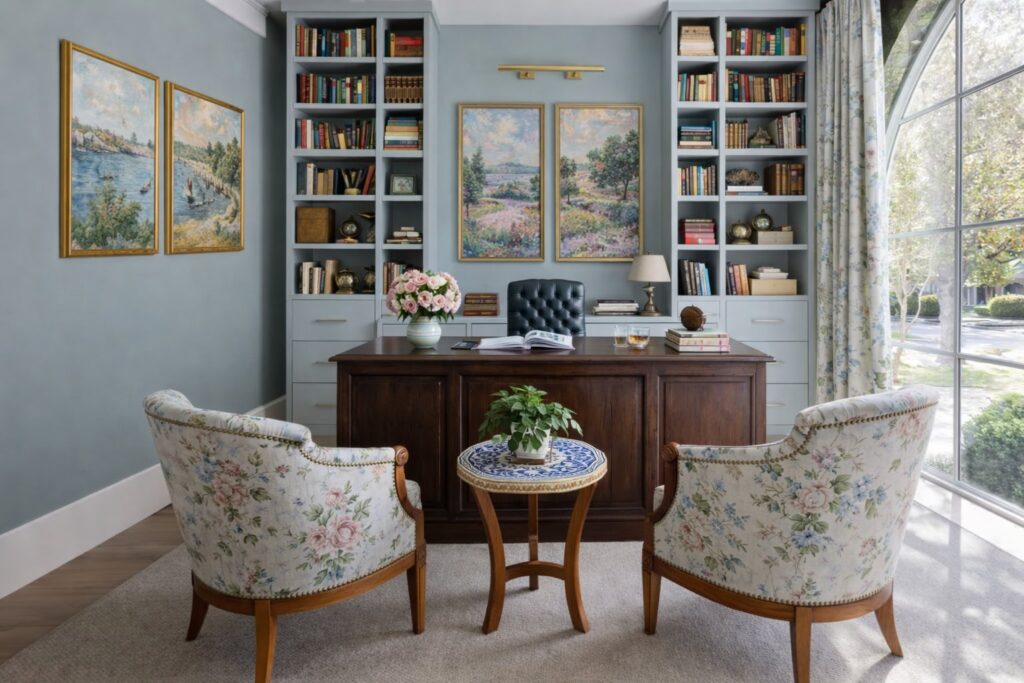
In Garden City, homes are known for their character — classic Colonials, Tudors, and well-built mid-century properties with defined rooms and detailed trim. Most of these homes were designed long before remote work became common. As a result, many homeowners are adapting existing spaces to support full-time work, hybrid schedules, or home-based businesses.
A home office remodel isn’t about placing a desk in a spare bedroom. It’s about creating a workspace that feels intentional, comfortable, and integrated into the home’s architecture.
Whether that means converting a formal dining room, redesigning a den, or finishing a basement for a private office, the objective is the same: a functional environment that supports productivity without feeling disconnected from the rest of the home.
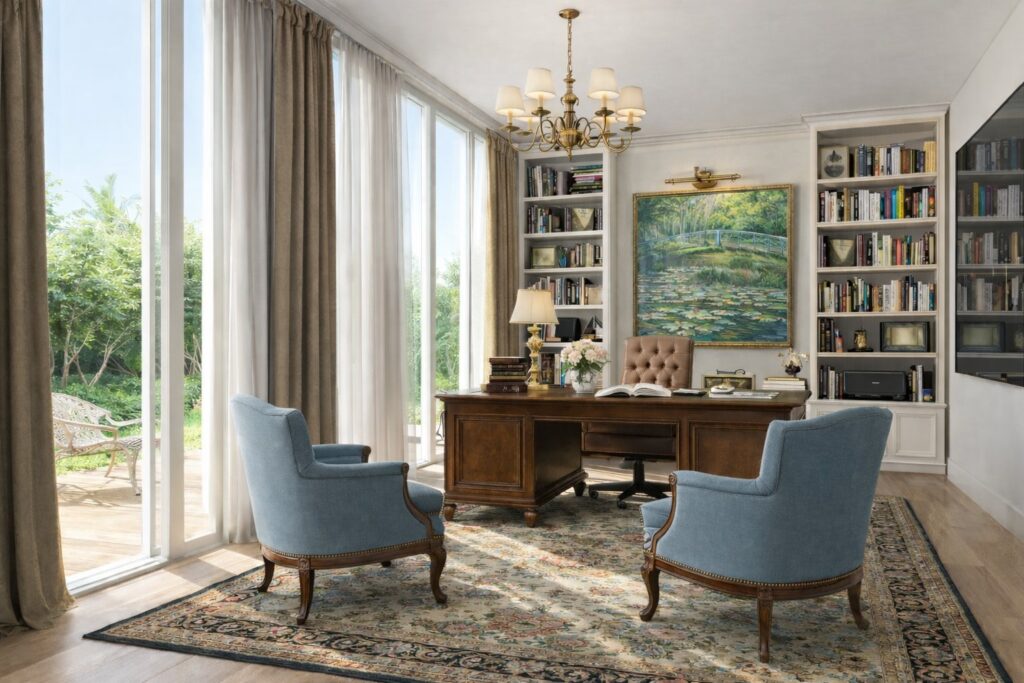
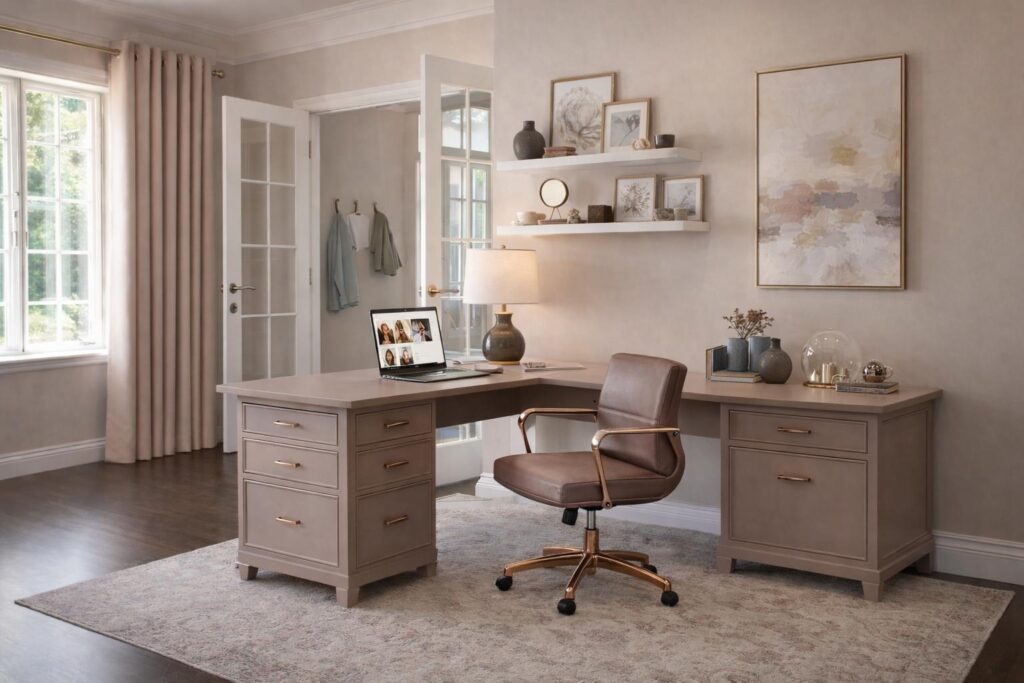
Garden City homes often feature traditional layouts, defined rooms, and detailed trim. A successful home office remodel respects those architectural elements while adapting the space for modern work demands.
Space Planning and Layout – The layout is evaluated to determine optimal desk placement, natural light balance, privacy, and traffic flow. In many homes, underused dining rooms, sitting rooms, or bedrooms can be reconfigured into dedicated workspaces without altering the overall character of the home.
Built-Ins and Storage Solutions – Custom cabinetry and shelving help eliminate clutter and maximize usable space. Built-ins are often designed to match existing trim profiles so the office feels cohesive rather than newly added.
Electrical and Lighting Considerations – Older homes may require additional outlets, dedicated circuits, or upgraded lighting. Task lighting, layered ambient light, and organized cable management ensure the room functions efficiently without looking overly technical.
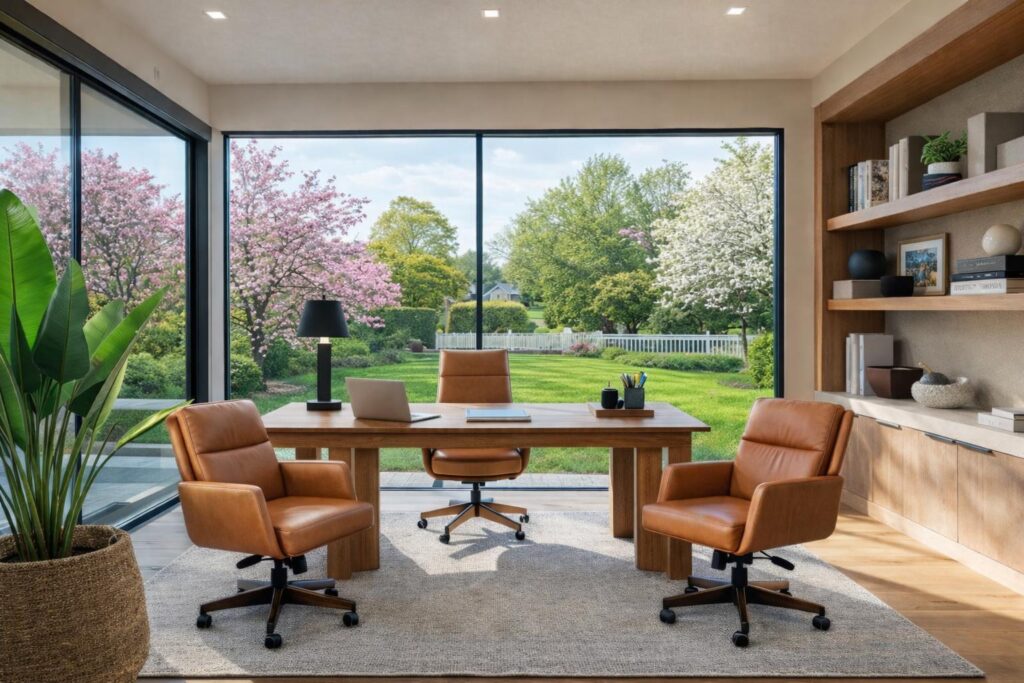
Remodeling an office inside an established home requires working within structural and architectural constraints. Ceiling heights, window placement, and load-bearing walls all influence what changes are possible.
In some cases, widening an entryway, installing French doors, or adding interior glass panels can increase light while maintaining privacy. For homeowners who regularly participate in virtual meetings, acoustics also matter. Insulation, solid-core doors, and thoughtful material choices can reduce sound transfer from high-traffic areas.
Finished basement offices are another common solution. When properly insulated and well lit, they provide separation from daily household activity while preserving primary living areas upstairs.
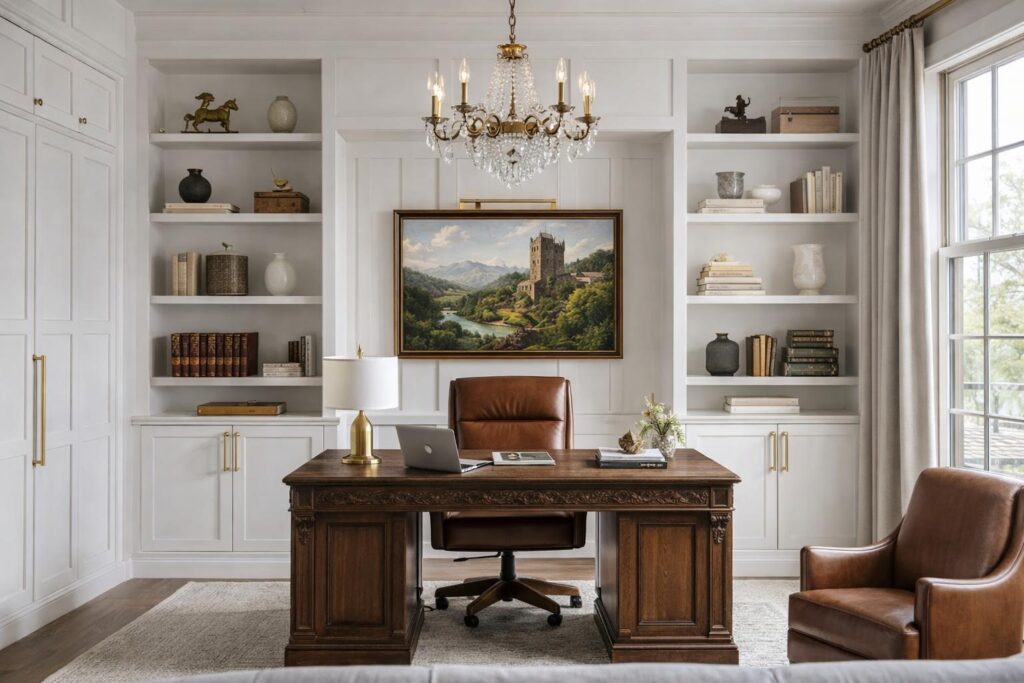
A well-designed home office should feel productive, but still consistent with the rest of the home.
Flooring transitions are carefully managed so the space flows naturally from adjacent rooms. Paint colors, trim details, and millwork profiles are selected to align with the home’s existing style. At the same time, ergonomic considerations are integrated into the design — from appropriate desk height and lighting temperature to storage that keeps work materials organized but accessible.
For Garden City homeowners thinking long term, a remodeled office also adds flexibility. Even if work-from-home needs change in the future, the space can easily function as a study, library, or guest room without requiring further renovation.
Do I need a permit to remodel a home office in Garden City?
Permit requirements depend on the scope of work. Structural modifications, electrical upgrades, or changes affecting egress may require permits. These requirements are reviewed during the planning phase to ensure compliance with local building standards.
Can a formal dining room be converted into a home office?
Yes. Many Garden City homes include formal spaces that are used infrequently. These rooms can often be reconfigured into offices while preserving architectural details and overall flow.
How long does a home office remodel typically take?
Project timelines vary depending on complexity. Custom built-ins, electrical updates, and structural modifications will extend the schedule compared to cosmetic upgrades alone.
What if my home doesn’t have an extra room?
Basements, oversized bedrooms, and underutilized sitting areas can often be redesigned into functional office spaces. Layout feasibility is evaluated based on the home’s configuration.
Will a home office remodel add value?
A thoughtfully designed office adds practical appeal, particularly as remote work remains common. Beyond work use, the space typically retains versatility for future homeowners.

75 BROADHOLLOW RD,
FARMINGDALE, NY 11735
631.270.4488 | 212.226.1656

