




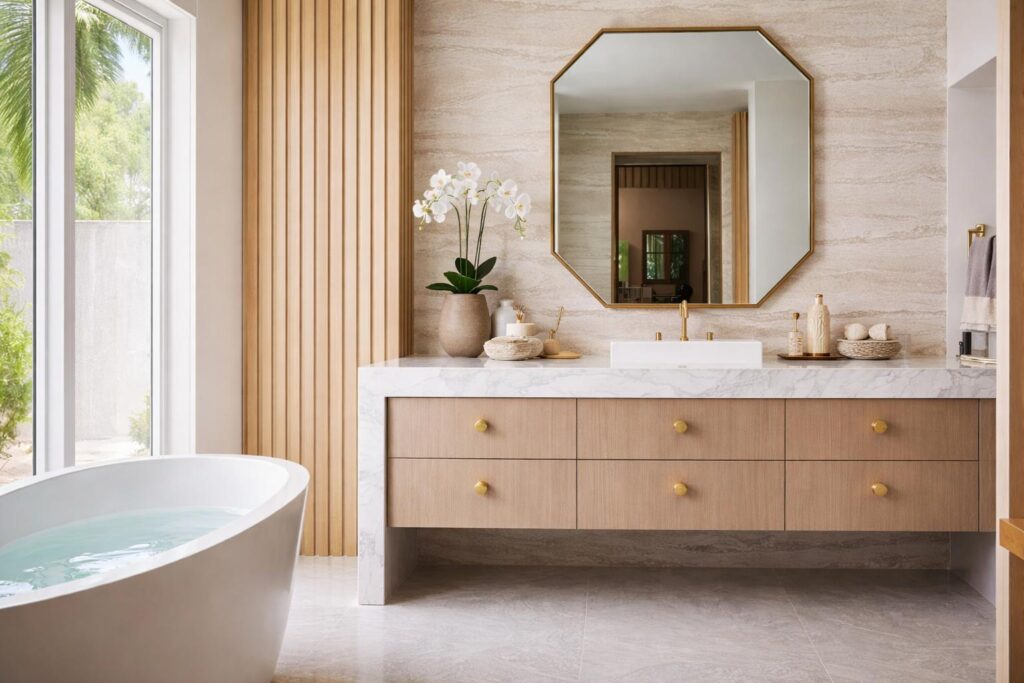
Garden City homes are known for their architectural character. From classic Colonials and Tudors to updated mid-century residences, many bathrooms still reflect the era in which the home was built. While charming, those spaces often lack modern storage, efficient layouts, and the finishes today’s homeowners expect.
Bathroom remodeling in Garden City isn’t just about replacing tile or installing a new vanity. It’s about reworking the space so it feels cohesive with the rest of the home while functioning better every day. That may mean correcting an awkward layout, upgrading aging plumbing behind the walls, or creating a primary bath that feels calm and intentional rather than cramped and dated.
Every home is different. Some projects focus on preserving architectural integrity while updating materials. Others involve a complete reconfiguration of the space to improve flow and usability. The goal is always the same: build a bathroom that feels like it belongs in the home — not one that looks imported from a showroom.
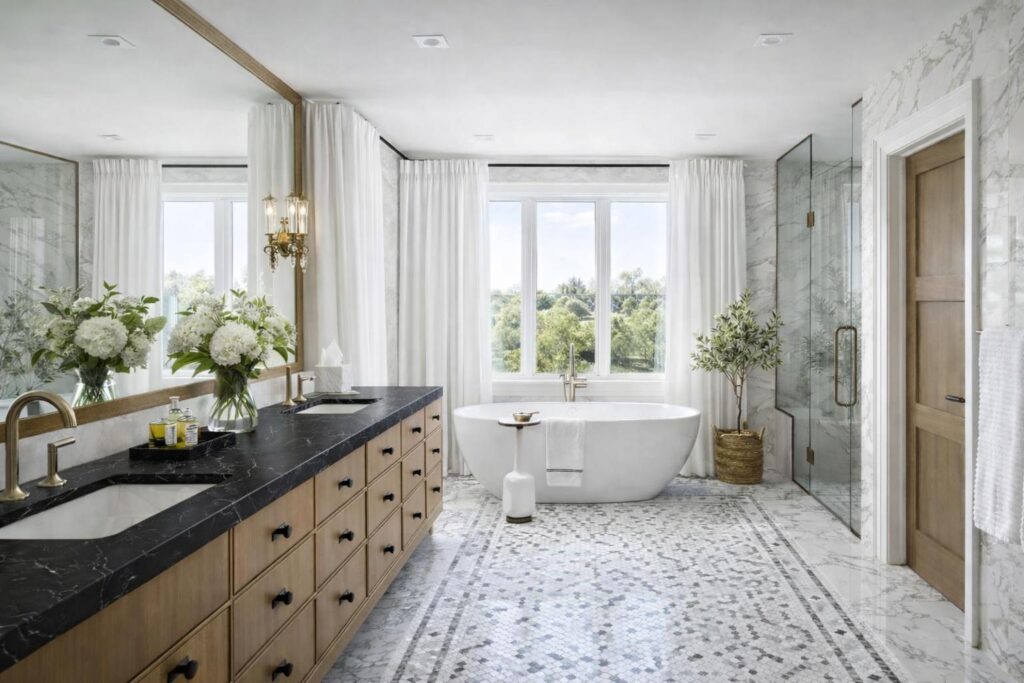
Every remodel begins with careful planning. An on-site evaluation reviews measurements, plumbing, and structural conditions—especially important in older Garden City homes where systems may need updating.
Layouts are refined to improve storage, lighting, and overall function, often without expanding the space. Materials are selected for both durability and appearance to ensure a cohesive, long-lasting result.
During construction, attention to waterproofing, ventilation, and finish details helps deliver a bathroom that looks refined and performs reliably for years.
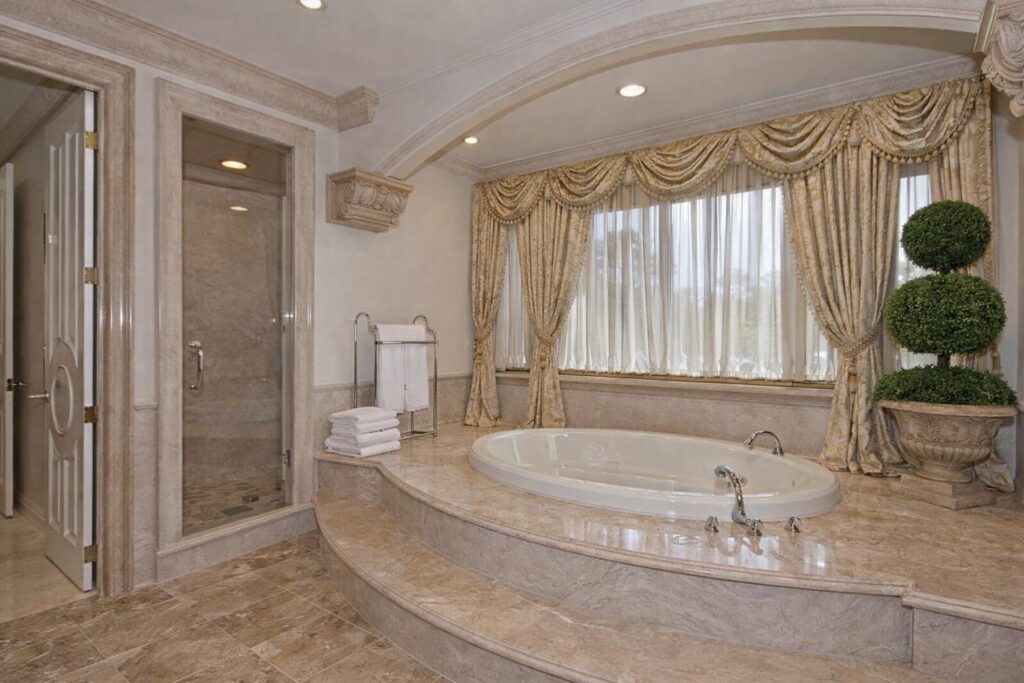
Because Garden City neighborhoods include many traditionally styled homes, bathroom remodeling often balances modern comfort with classic design.
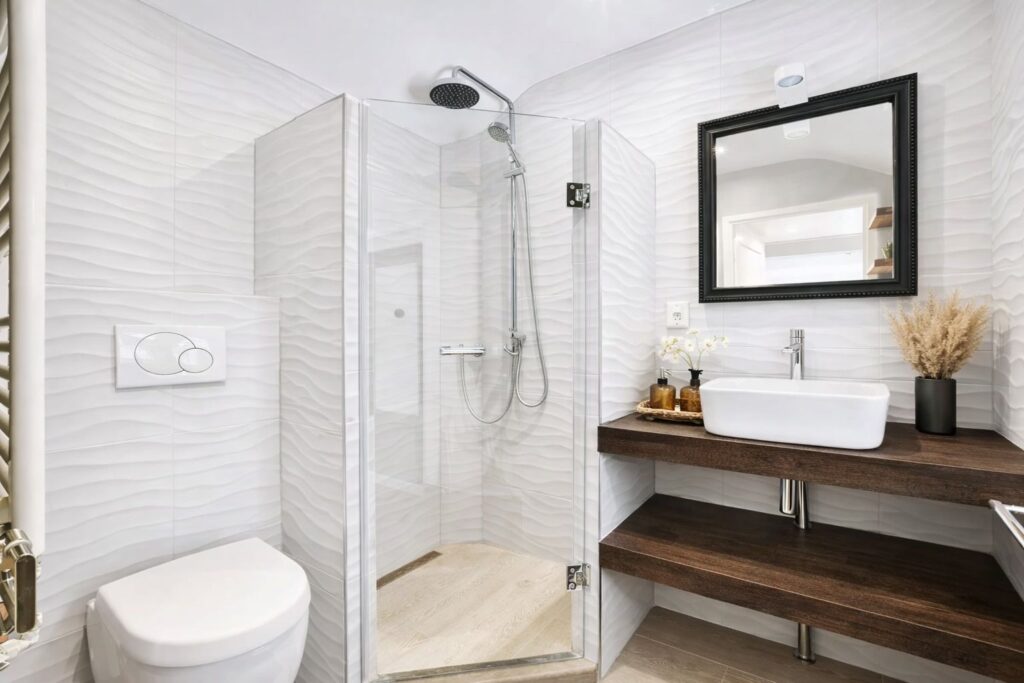
Neutral palettes remain popular, but texture and contrast are increasingly important. Matte finishes, subtle veining in stone surfaces, and layered lighting add depth without overwhelming smaller rooms. In primary bathrooms, larger walk-in showers with frameless glass are frequently requested, especially when replacing underutilized bathtubs.
Storage is another priority. Recessed niches, custom vanities, and built-in linen storage help maintain a clean visual line. Proper lighting is also critical — combining ambient, task, and accent lighting creates a more functional and inviting space.
For homeowners planning long-term, aging-in-place considerations such as curbless showers or wider entry clearances can be incorporated without compromising design.
The best results feel intentional. Nothing looks forced or out of scale with the home’s architecture.
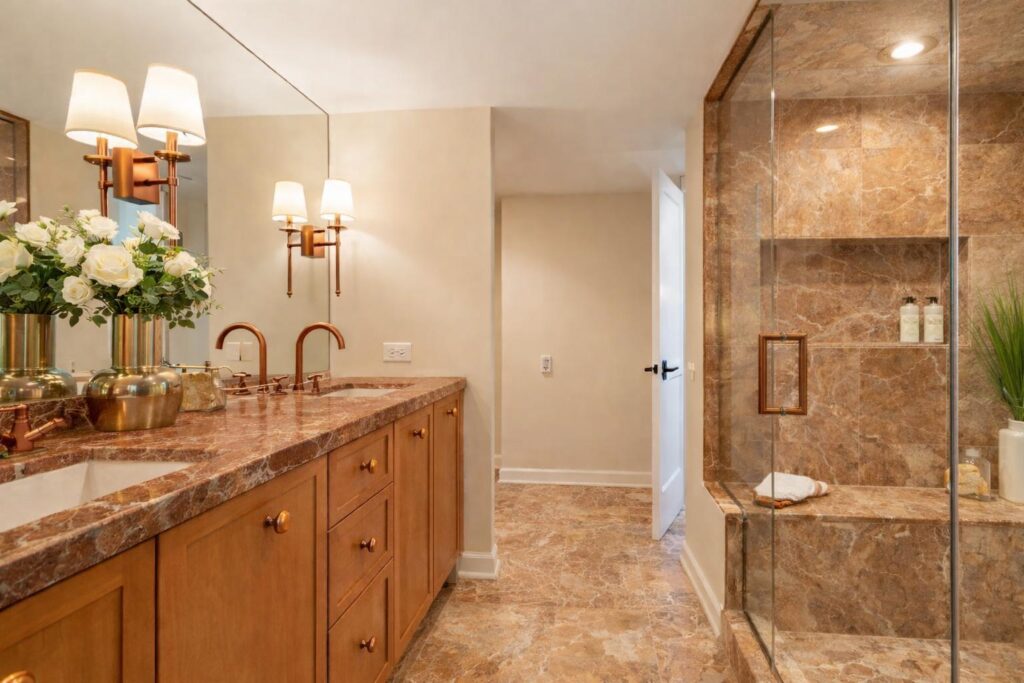
Bathroom remodeling requires coordination beyond aesthetics.
Permits may be required depending on the scope of plumbing, electrical, or structural changes. Planning for inspections ahead of time prevents delays. In homes where multiple bathrooms exist, scheduling can be arranged to minimize disruption to daily routines.
Budget clarity is also important. Costs vary based on layout changes, fixture selections, tile work complexity, and underlying repairs discovered during demolition. Establishing priorities early allows decisions to be made confidently if adjustments are needed along the way.
Ventilation is another factor often overlooked. Proper exhaust systems protect new materials and reduce long-term moisture issues, especially in homes with older framing systems.
Clear communication throughout the project ensures homeowners understand timelines, staging, and access needs while work is underway.
- Do bathroom remodeling projects in Garden City require permits?
Permit requirements depend on the scope of work. Structural modifications, electrical updates, and plumbing changes often require permits and inspections. Requirements are reviewed during the planning stage so compliance is addressed before construction begins.
- How long does a typical bathroom remodel take?
Project timelines vary based on complexity. A straightforward renovation may take several weeks, while projects involving layout changes or extensive tile work can take longer. A schedule is established once the full scope is defined.
- Can the bathroom layout be changed without expanding the space?
In many cases, yes. Plumbing locations, structural walls, and joist direction determine what is feasible. Layout adjustments are evaluated carefully to improve function while maintaining structural integrity.
- What adds the most value in a bathroom remodel?
Upgrading outdated layouts, improving lighting, enhancing shower design, and selecting durable materials tend to provide the strongest long-term value. Quality installation also plays a significant role in how well the remodel performs over time.
- How disruptive is a bathroom remodel to daily life?
Some disruption is expected, particularly if it is the home’s primary bathroom. Planning includes discussing access, work hours, and temporary solutions when necessary to reduce inconvenience.

75 BROADHOLLOW RD,
FARMINGDALE, NY 11735
631.270.4488 | 212.226.1656

