




A kitchen renovation is one of the most exciting upgrades you can make to your home. It’s also one of the largest investments many homeowners will ever make in their property. Because of that, most people spend a lot of time choosing cabinet styles, countertop materials, and appliance finishes.
But when homeowners talk about the regrets they have after a kitchen remodel, the complaints rarely revolve around color choices.
More often, the frustration comes from how the kitchen functions once everyday life returns to normal. After the project is finished and the space is being used daily, small design decisions can suddenly feel much bigger than they seemed during the planning phase.
The good news is that most kitchen regrets are completely avoidable. They usually come down to thinking through how the kitchen will actually be used once the renovation is complete.
Here are some of the most common kitchen design regrets homeowners experience after their remodel.
Not Planning Enough Storage
One of the most common regrets homeowners mention is not having enough storage.
During the design process, it’s easy to focus on the overall look of the kitchen. Clean lines, decorative elements, and current design trends can influence decisions that seem appealing at first but reduce the kitchen’s practical storage space.
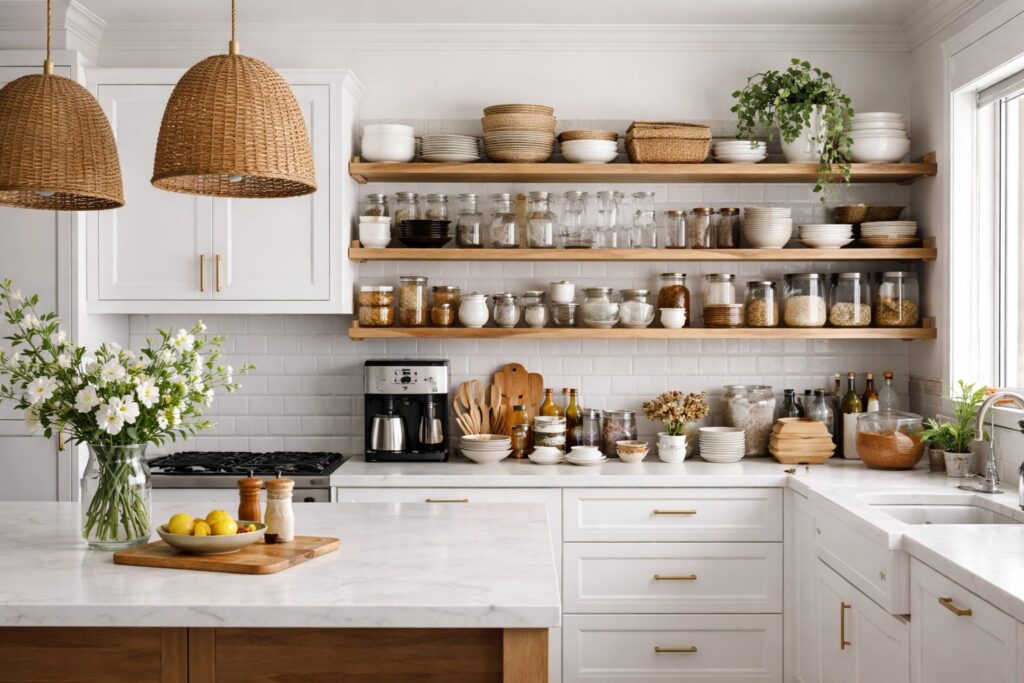
A good example is the trend of replacing upper cabinets with open shelving. In photos, open shelves can look beautiful. They make the kitchen feel airy and give the room a modern, curated appearance.
In real life, however, those shelves hold far fewer items than cabinets. Everyday kitchen essentials like dishes, glasses, pantry staples, and cooking tools still need a place to go. Without sufficient cabinet space, homeowners often end up with crowded countertops or items stored in other rooms.
Another trend that can unintentionally reduce storage is installing a very large decorative range hood. Statement hoods have become popular design features, but they sometimes replace cabinetry that would normally provide valuable storage. While the hood may look impressive, homeowners occasionally find themselves wishing they had kept the extra cabinet space instead.
Even something as simple as installing a large farmhouse sink can reduce storage more than people expect. These sinks are deeper and wider than standard models, which means the cabinet underneath often loses usable space for cleaning supplies or waste bins.
None of these features are inherently bad design choices. In fact, they can look fantastic in the right setting. The key is making sure they are balanced with enough cabinetry and storage elsewhere in the kitchen.
A well-designed kitchen should make it easy to keep everything organized and within reach.
Installing an Island That’s Too Small
Kitchen islands have become one of the most desired features in modern homes. They serve as extra workspace, casual dining areas, and gathering spots for family and guests.
However, many homeowners later realize their island is smaller than it should have been.
During the planning stage, people often worry about making the kitchen feel crowded, so they reduce the size of the island to preserve open floor space. Once the kitchen is complete, that smaller island can feel limiting when cooking, entertaining, or trying to seat multiple people.
A properly sized island gives you room to prep meals, place groceries, serve food, and still have space for seating. When the proportions are right, the island naturally becomes the center of activity in the kitchen.
Not Including Enough Lighting
Lighting is another detail that homeowners frequently wish they had thought about more carefully.
Many kitchens rely heavily on overhead recessed lighting. While that can brighten the room overall, it doesn’t always provide the right kind of light where people actually work.
Cooking, chopping, and preparing meals often happen in areas that fall into shadow if lighting isn’t layered properly. Under-cabinet lighting, for example, is one of the upgrades homeowners often wish they had included from the beginning.
A well-lit kitchen usually combines several types of lighting: general lighting for the room, task lighting for countertops, and accent lighting that adds warmth and atmosphere. When these layers work together, the kitchen feels both functional and inviting.
Designing the Kitchen for Photos Instead of Daily Life
Another regret homeowners sometimes experience is designing their kitchen around how it looks rather than how it will actually be used.
Online inspiration photos can be helpful, but they often show highly styled spaces that don’t reflect everyday living. A kitchen that looks beautiful in a photograph may not always function well for a busy household.
Every family uses their kitchen differently. Some households cook elaborate meals regularly, while others focus more on quick meals and entertaining. Some families need space for kids doing homework at the counter, while others prioritize serving areas for gatherings.
When the design process takes these habits into account, the kitchen feels natural and comfortable. When those details are overlooked, the space can feel less convenient once daily routines return.
Forgetting About Electrical Needs
Modern kitchens rely on more small appliances and electronics than ever before. Coffee machines, mixers, air fryers, charging devices, and other everyday tools all compete for outlet space.
After a renovation, homeowners sometimes realize they don’t have enough conveniently placed outlets where they need them most.
Adding extra outlets, island outlets, or charging stations during the planning phase is relatively simple. Adding them after the kitchen is finished can be far more complicated.
It’s one of those small details that can make a big difference in how practical the kitchen feels every day.
Why Thoughtful Planning Makes the Difference
Most kitchen regrets don’t happen because homeowners made bad decisions. They happen because certain details simply weren’t discussed during the design process.
A kitchen renovation involves hundreds of small decisions that affect how the space works as a whole. When those decisions are guided by experience and careful planning, the final result tends to feel much more intuitive.
At LPS Kitchen Cabinets, our Design. Build. Furnish. approach helps homeowners think through these details before construction begins. From storage and layout to materials and lighting, every element is considered as part of a complete plan.
The goal isn’t just to create a beautiful kitchen. It’s to create a space that works comfortably for the way your household actually lives.
When that happens, the kitchen doesn’t just look good on day one. It continues to feel like one of the best decisions you made for your home.


